Category: Power Wheelchair
Posted by 2025-12-16 10:12
hoyer lift covered by medicare
Medicare and Hoyer Lifts: A Detailed Guide to Coverage Eligibility, Process, and Key Considerations
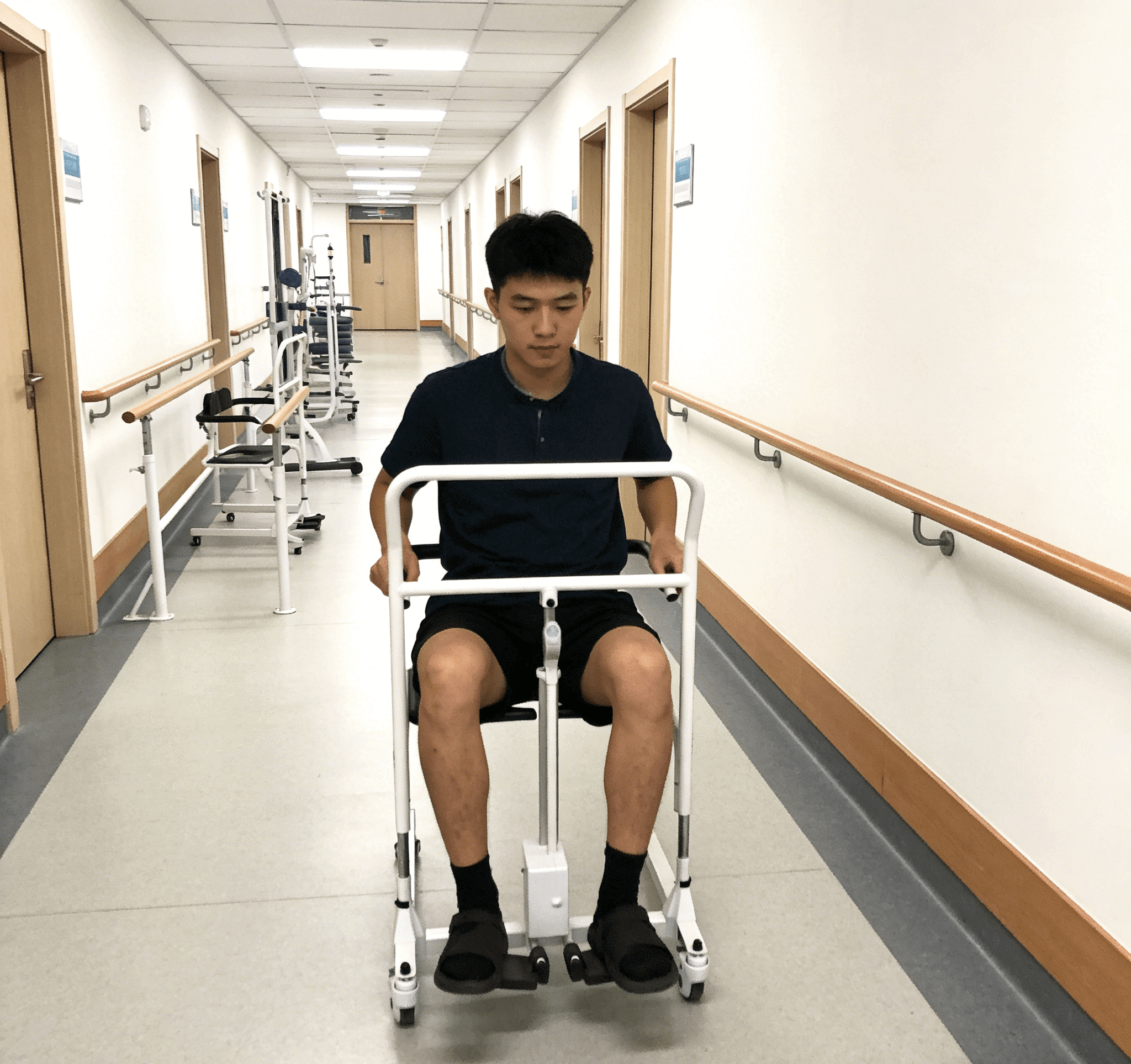
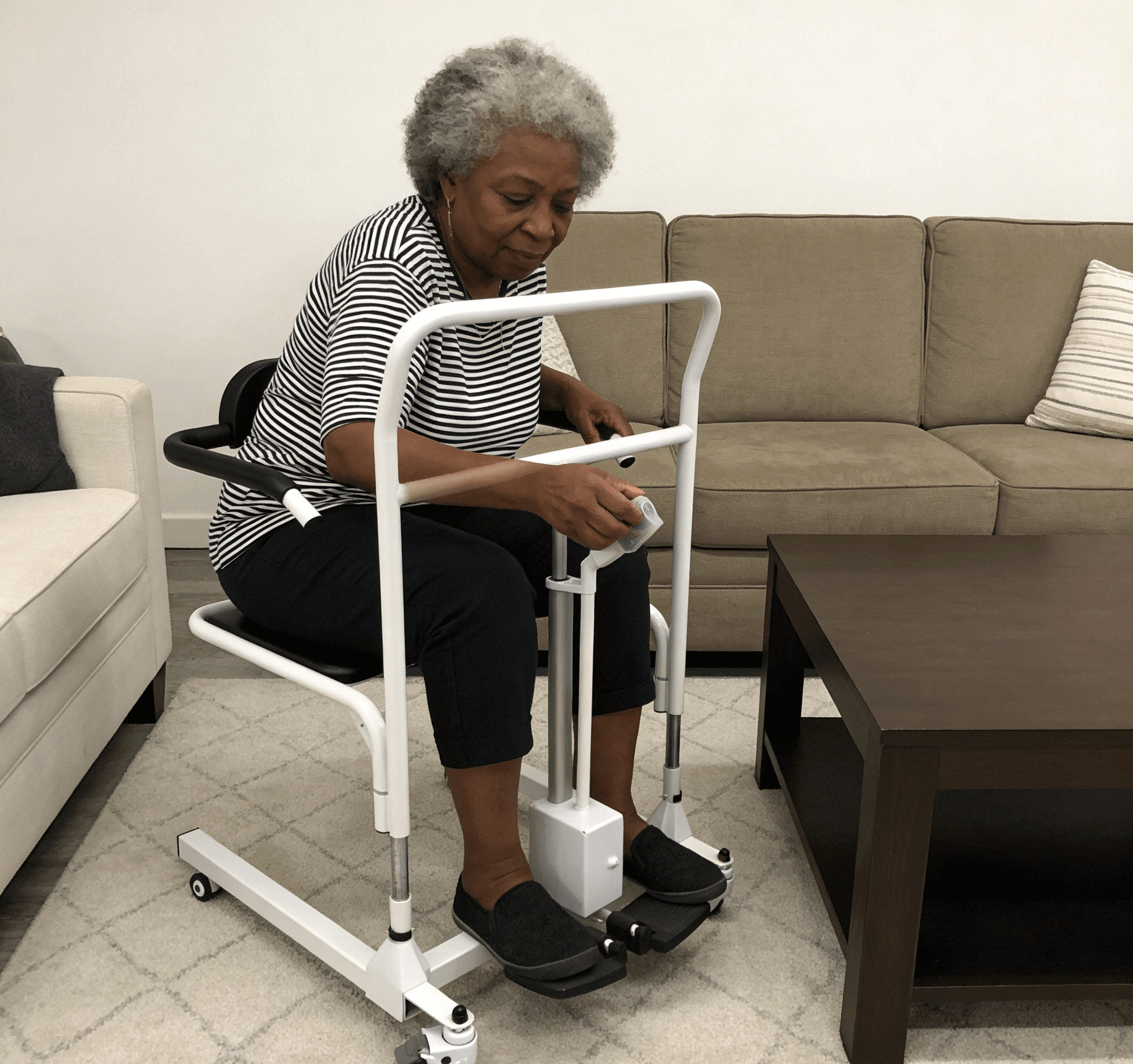
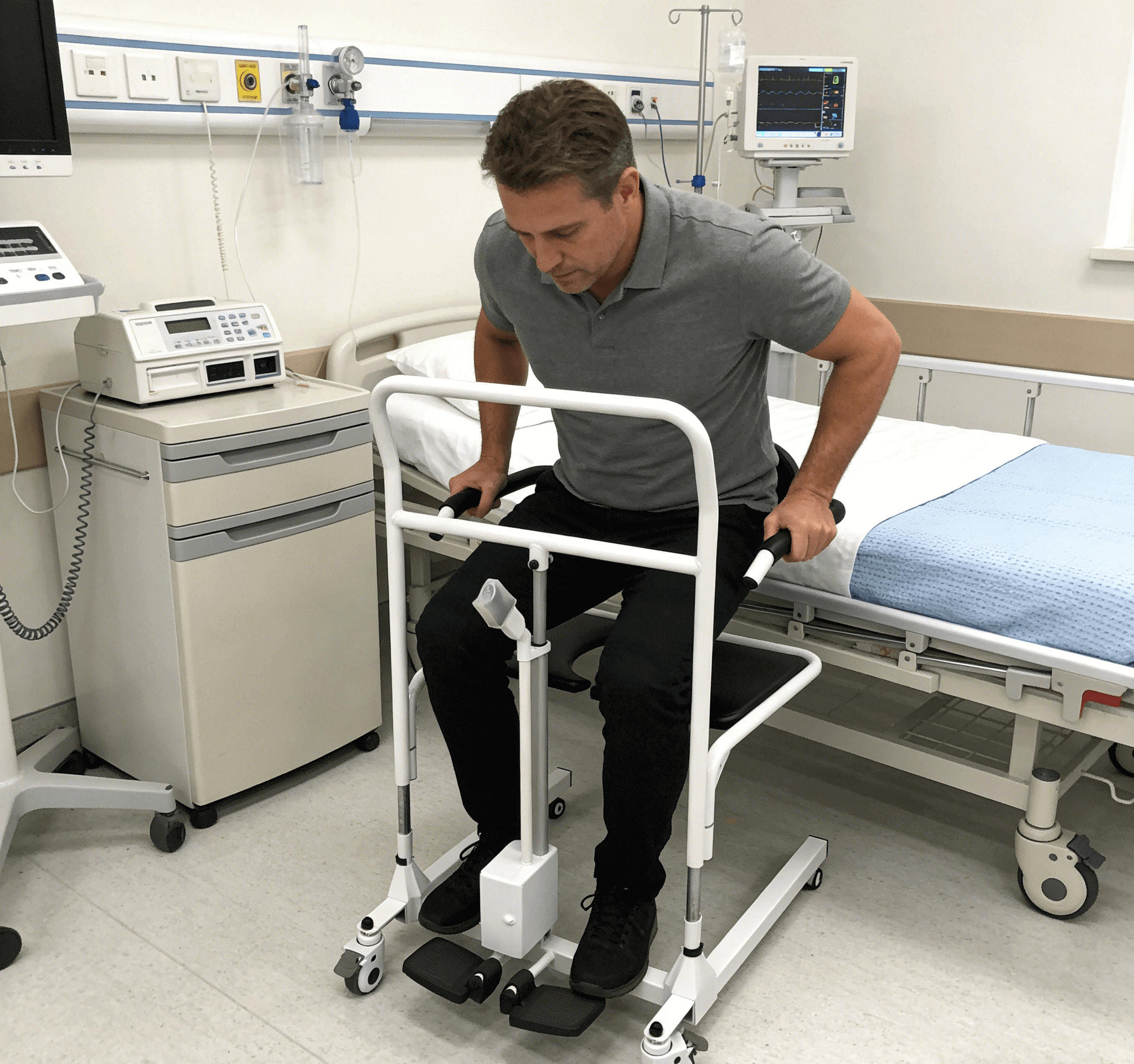
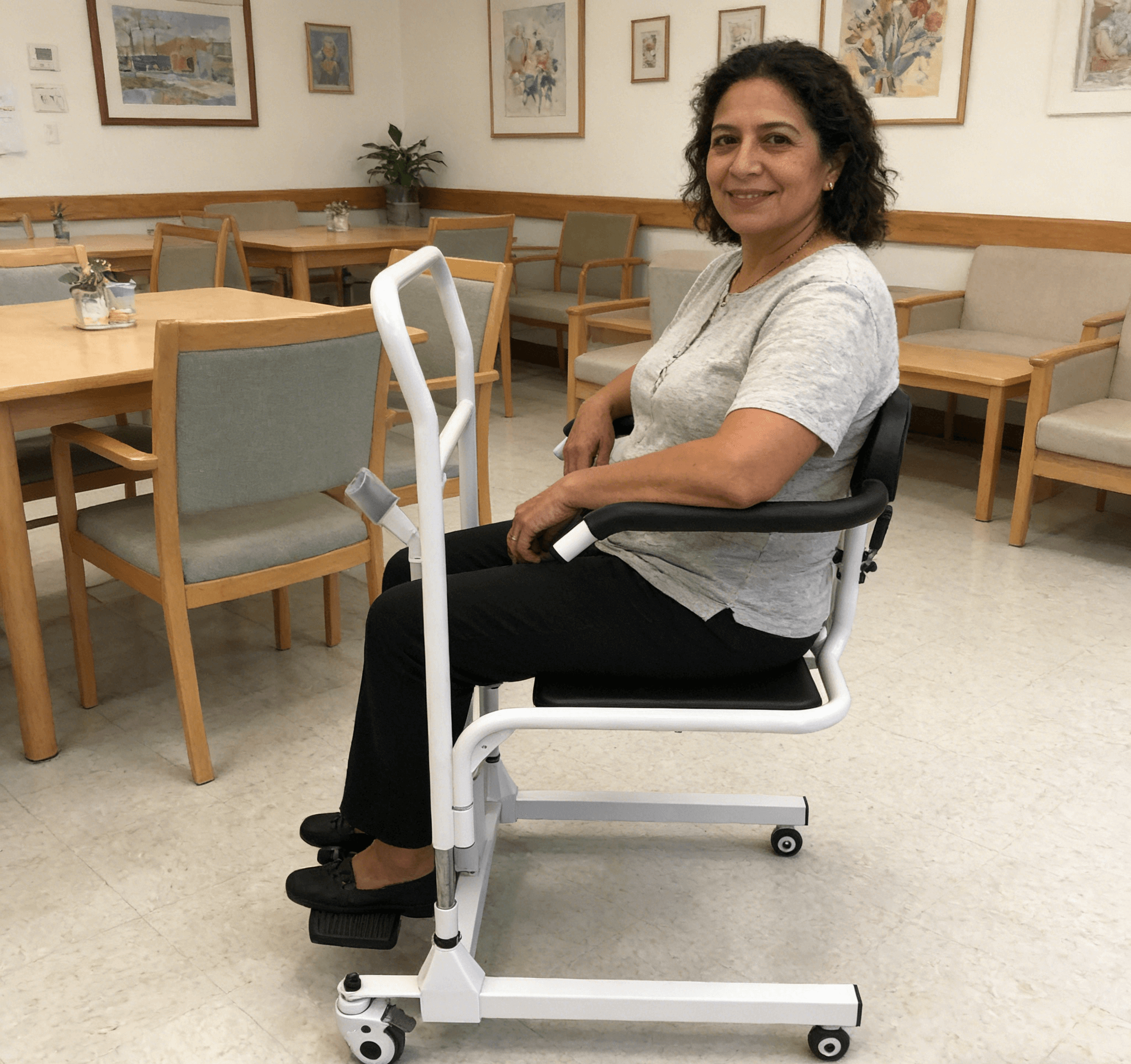
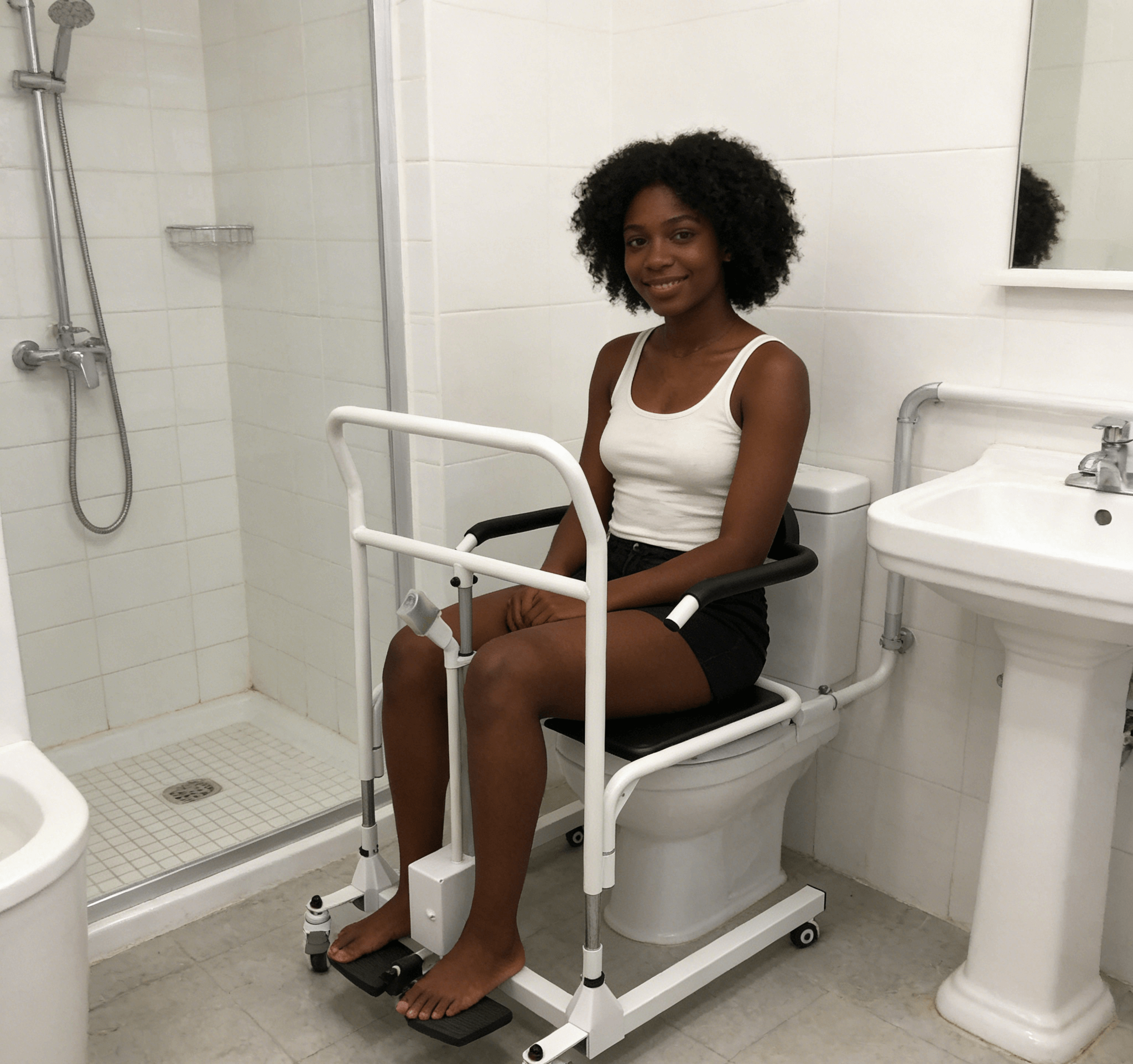
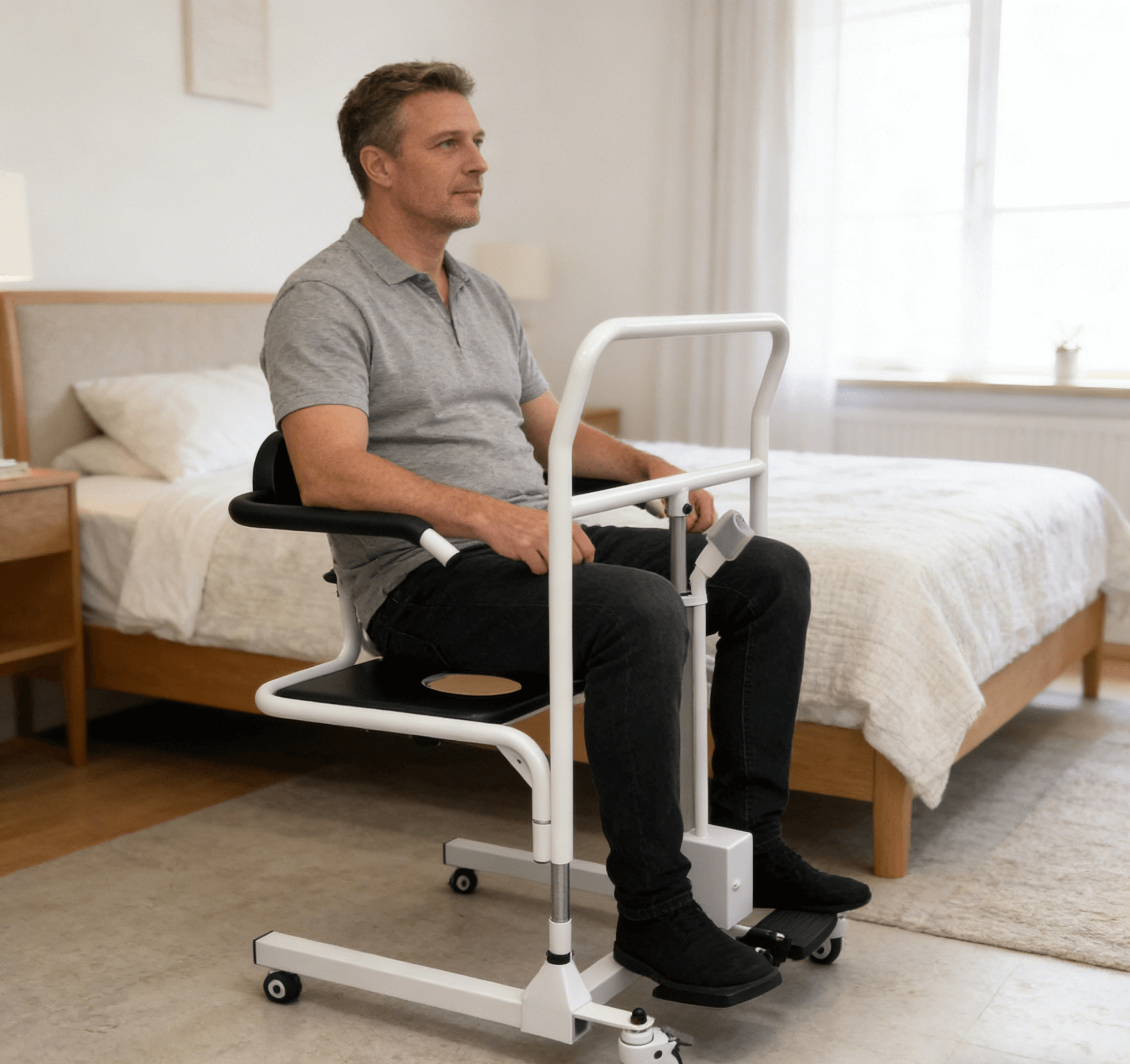
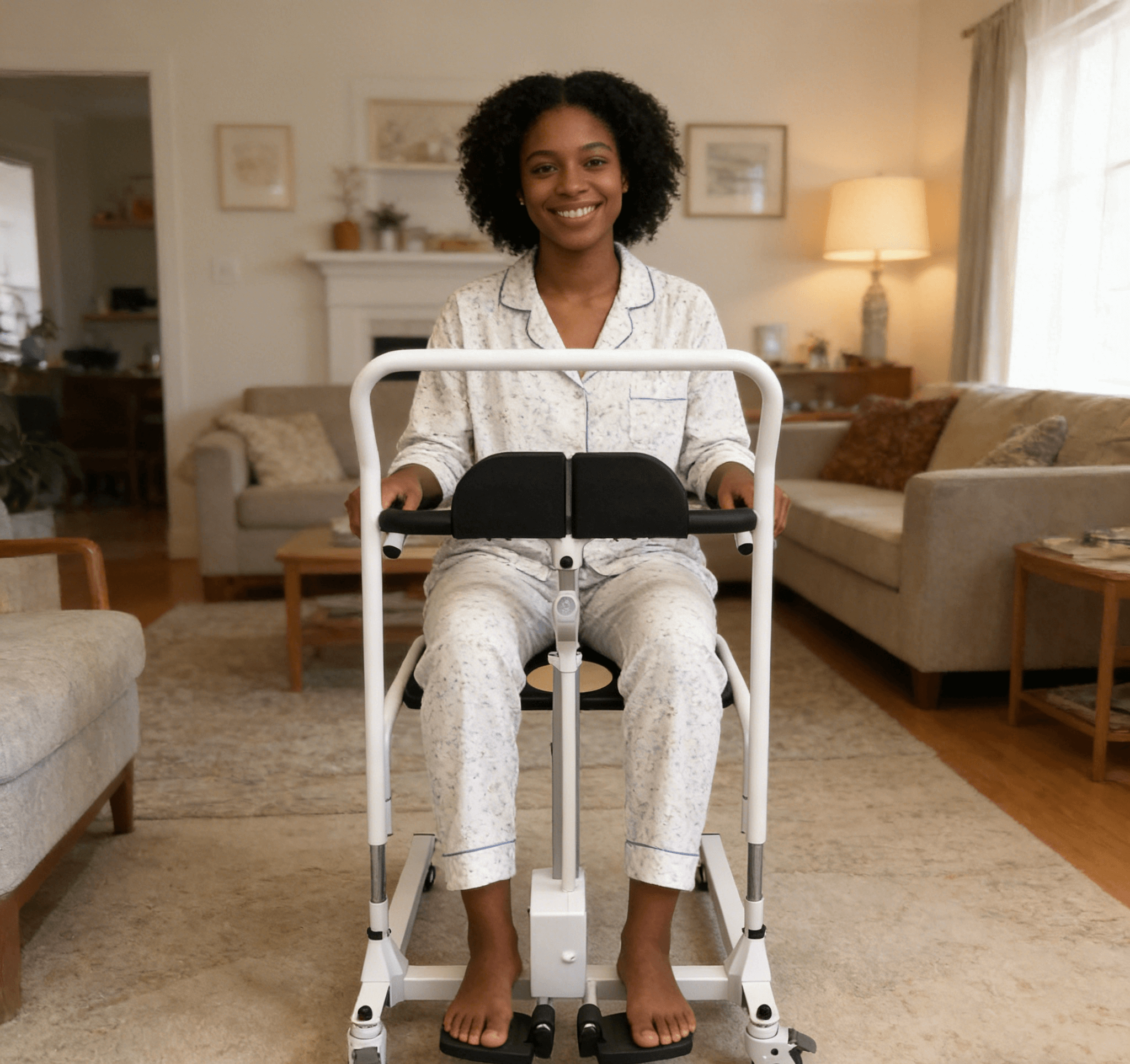
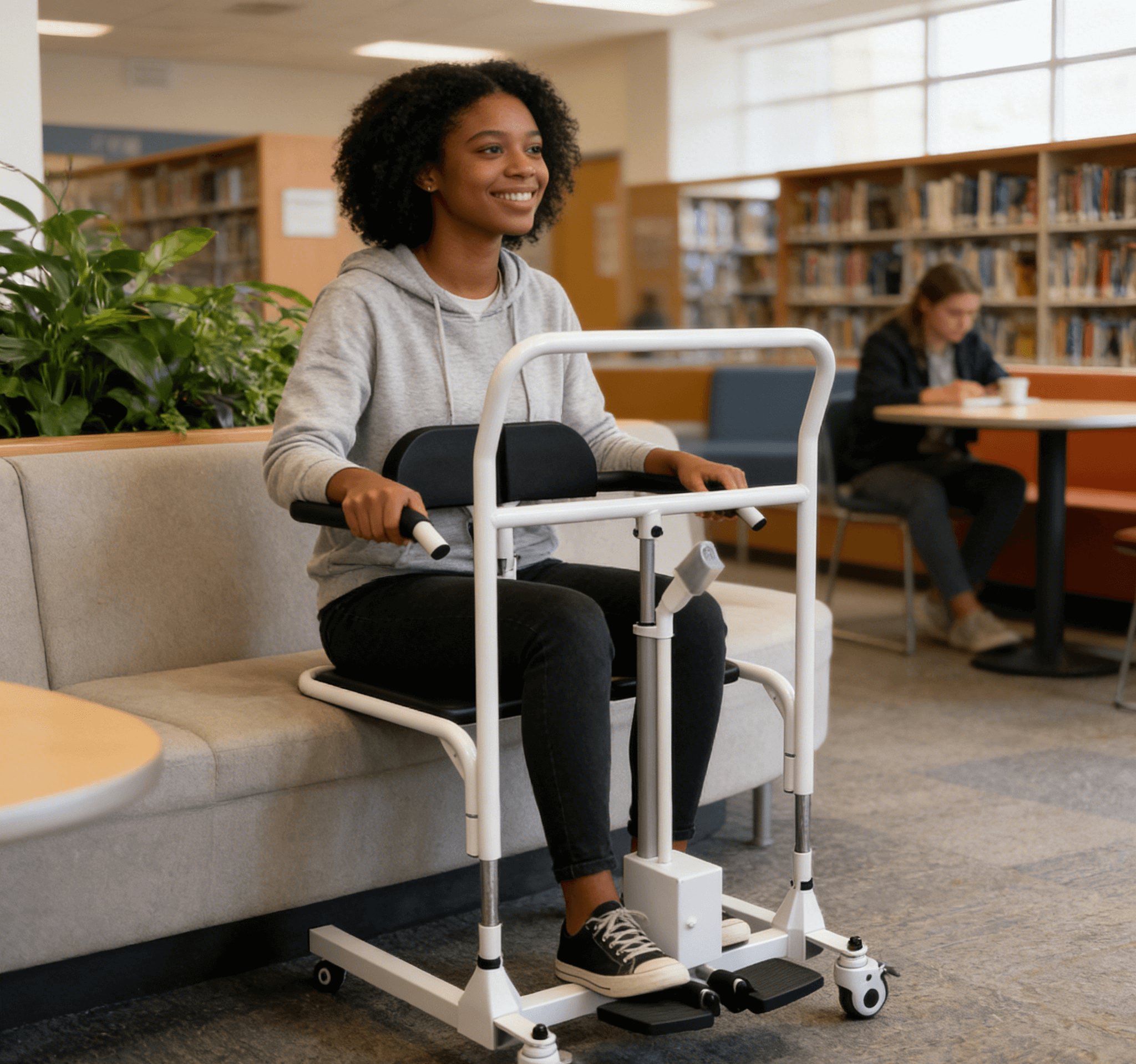
For many older adults and individuals with disabilities in the United States, Hoyer Lifts (medical lifts) are essential for daily care, yet they come with a high cost. A common question arises: “Will Medicare cover the cost of a Hoyer Lift?” The answer is: it may, but strict conditions must be met.
This article will take an in-depth look at Medicare’s coverage policies to help you understand eligibility requirements, the application process, and how to maximize your chances of approval.
Core Conclusion: When Does Medicare Cover Hoyer Lifts?
Medicare does not pay for equipment that merely provides “convenience.” The core principle for coverage is “medical necessity.”
To qualify for coverage, both of the following key conditions must be satisfied:
The Hoyer Lift is classified as a “Durable Medical Equipment (DME)”.
Your doctor and/or medical team confirms that it is “medically necessary” for your care in a home setting.
Which Part of Medicare Covers Hoyer Lifts?
Medicare Part B: This is the component that covers Durable Medical Equipment. If approved, Part B will cover a portion of the cost of the Hoyer Lift.
Medicare Advantage Plans: These are private insurance plans that serve as alternatives to Original Medicare. They must cover at least the same items as Original Medicare, but may have different rules, costs, and provider networks. You need to verify specific details directly with your plan.
Eligibility and Medical Necessity Criteria
Simply needing help with transfers is not sufficient. You and your doctor must be able to demonstrate the following:
Severely Limited Mobility: You are completely unable to transfer independently, and even transferring with assistance from others is extremely difficult, unsafe, or would cause harm to you.
Home Setting Appropriateness: The equipment must be used in your home (Medicare typically does not cover equipment for facilities like nursing homes).
Doctor’s Prescription and In-Person Visit: Your attending physician must write a prescription for you. Additionally, Medicare requires that the doctor conducts an in-person visit to assess your need for the equipment before prescribing the DME.
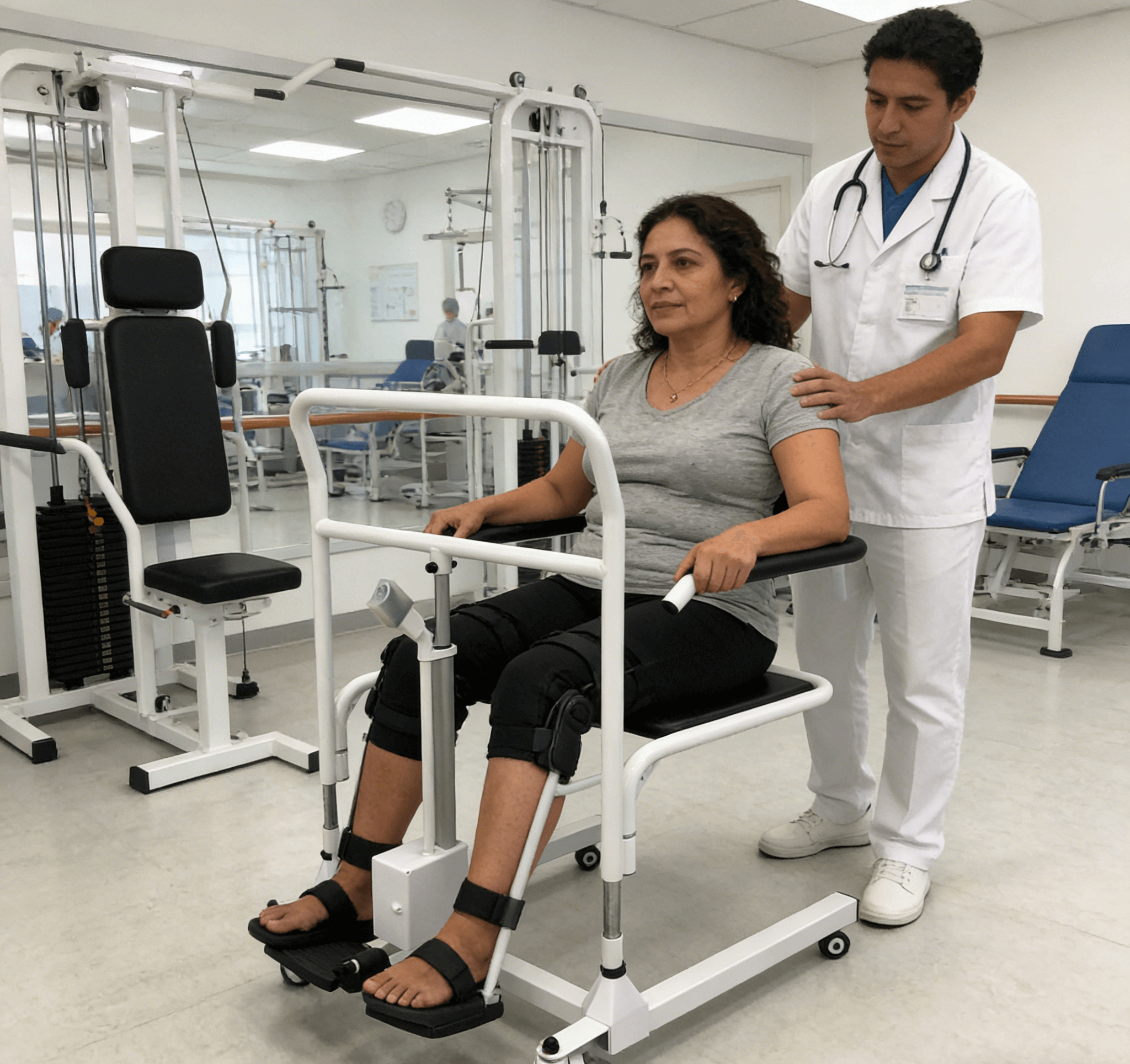
Professional Assessment: A detailed evaluation report from a physical therapist (PT) or occupational therapist (OT) is crucial. This report should explain:
Why simpler, lower-cost equipment (such as transfer boards or stand-up lifts) cannot meet your needs.
How the lift will improve your in-home care, prevent complications (e.g., pressure sores or falls), and reduce the burden on caregivers.
Provider Restriction: You must use a DME supplier that is enrolled in Medicare. Purchasing from a non-participating supplier will not qualify for reimbursement.
Step-by-Step Application and Reimbursement Process
Communicate with Your Doctor: This is the first and most important step. Discuss in detail with your doctor the difficulties you face with daily transfers.
Undergo Therapist Evaluation: Ask your doctor to refer you to an occupational therapist or physical therapist for a comprehensive assessment. They will prepare a detailed report documenting the medical necessity.
Obtain a Doctor’s Prescription: Based on the therapist’s report, your doctor will write a detailed, signed written prescription that includes the medical diagnosis justifying the need for the equipment.
Choose a Medicare-Enrolled DME Supplier: The supplier will help you prepare all necessary documents and submit a claim to Medicare.
Wait for “Prior Authorization”: For expensive equipment like lifts, suppliers usually submit a prior authorization request to Medicare or its contractors. This confirms whether Medicare will cover the cost before the equipment is ordered.
Pay the Costs:
Once approved, Medicare Part B typically covers 80% of the approved amount.
You will be responsible for the remaining 20%, unless you have supplemental insurance (Medigap) to cover this portion.
You will also need to pay your annual Part B deductible.
Important Notes and Common Reasons for Claim Denial
Only Covers “Patient-Use Components”: Note that Medicare may only cover the lift itself and basic slings. Installation costs, structural modification fees, or certain advanced accessories are generally not covered.
Rental vs. Purchase: For equipment like lifts, Medicare usually prefers a “rental” model, where it pays rental fees over a period of time, after which you may gain ownership of the equipment. Confirm the specific model with your DME supplier.
Definition of “Reasonable and Necessary”: Medicare’s final decision is based on its criteria for what is “reasonable and necessary” for your condition. If they determine that a lower-cost alternative is sufficient, they may deny coverage.
Right to Appeal: If your application is denied, you have the right to file an appeal. Be sure to keep all documents and follow the appeal process.
How to Increase Your Chances of Approval?
Detailed Documentation: Keep records of the difficulties, pain, or safety incidents you experience when attempting manual transfers.
Emphasize Caregiver Risks: Clearly state in documents that without the lift, caregivers (e.g., a spouse) face the risk of back injuries. This can strengthen the argument for medical necessity.
Ensure Complete Documentation: The therapist’s report and the doctor’s prescription are the cornerstones of success. Ensure they are thorough, specific, and clearly explain why alternative options are not feasible.
Conclusion
While the process is complex, obtaining Medicare reimbursement for a Hoyer Lift is entirely achievable. The keys to success lie in strong proof of medical necessity, close collaboration with your medical team, and using a properly enrolled Medicare DME supplier.
Do not be discouraged by the complexity of the process. Start with an open conversation with your doctor—this is the first step toward obtaining this vital care equipment for yourself or your loved one.